Buying land on the north coast: what is different
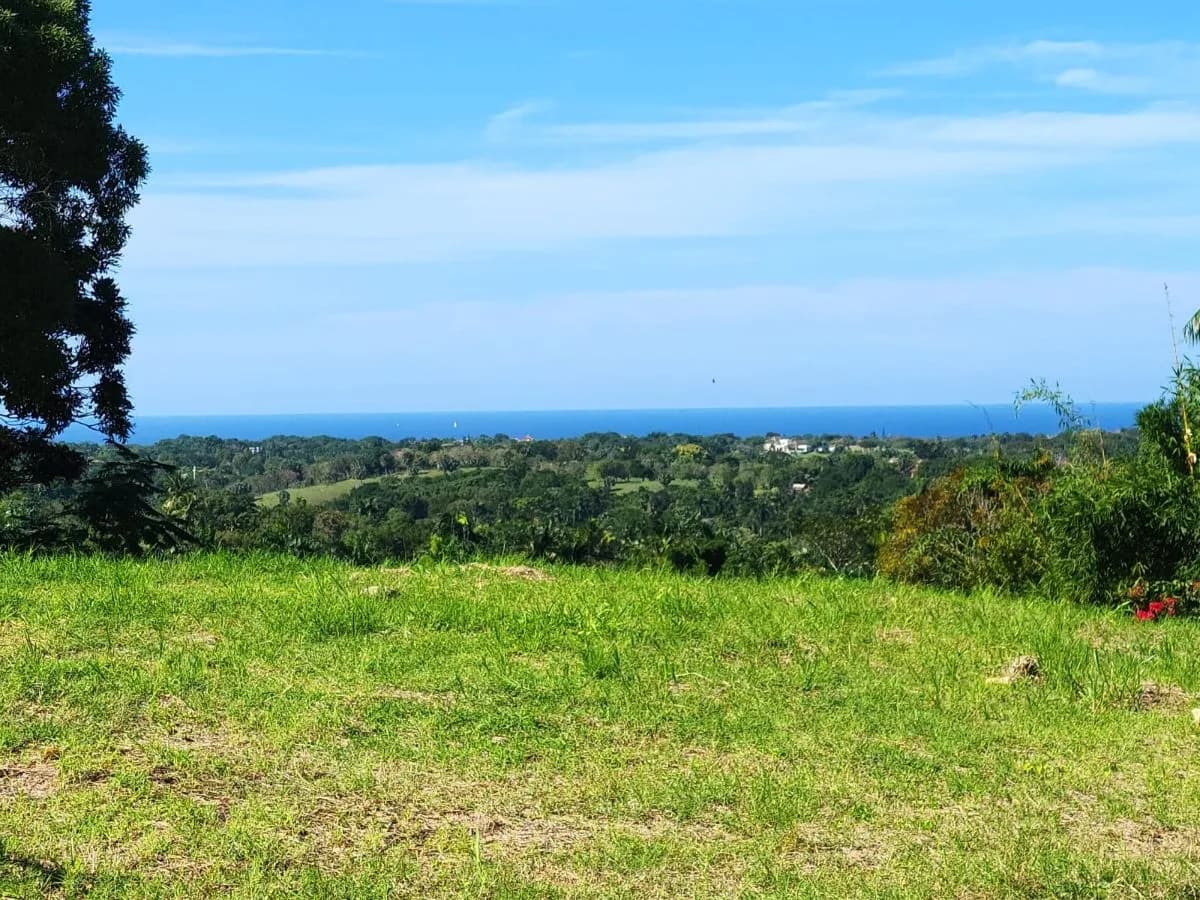
Land is the purchase where the most can go wrong and the least is visible on a visit. A beautiful lot with a sea view can lack a legal road, a buildable title or a water source, and none of that shows in the photographs. This is what we check before we let a client make an offer on a parcel.
By Cayo · · 3 min read
The title, and the deslinde
A built property almost always has its own title. A piece of land often does not. Much of the coast was historically held as shares of larger parcels, and a seller may be offering you a fraction of a title rather than a parcel of your own. The document that fixes a parcel's boundaries in the cadastre and gives it an individual title is the deslinde, and without it you cannot be sure where your land ends, you cannot easily get a building permit, and you will struggle to sell.
Buy land that has a deslinde and its own certificado de título, or make the deslinde a condition of the sale, done and registered before closing, at the seller's cost or priced into the deal. A surveyor and your attorney handle it; allow months rather than weeks.
Access
A lot must have legal access from a public road, either directly or through a registered right of way (servidumbre de paso) over the neighbours' land. A track that everyone has always used is not the same thing. Ask for the access to be shown on the survey and in the title, and drive it yourself in the rain. On the hills behind Sosúa and Cabarete, a lot that is five minutes from the road in dry season can be unreachable in a normal car in November.
Water, power and what the ground allows
Services on a raw lot are your problem until they are connected. Ask how far the nearest electricity line is and what the distributor charges to extend it; the answer can be a few hundred dollars or a serious part of the budget. Water comes from the municipal network where it reaches, from a well where it does not, or by truck. A well needs a permit and a test for yield and quality before you rely on it.
Then look at the ground. Steep lots need retaining walls and drainage that cost more than the land itself in some cases. Clay soils move. A soil study before the architect draws anything is cheap insurance.
Limits near the sea and in protected areas
The first sixty metres from the high-tide line are public and cannot be built on or fenced. Beyond that, construction near the coast, on river banks, in mangroves and in the protected areas that run along parts of this coast needs an environmental permit from the Ministry of Environment, and some land cannot be built on at all. A seller who says a permit is "no problem" should be asked to show the one for the neighbouring house. Your attorney can check whether a parcel sits inside a protected area before you spend on surveys.
What a lot really costs
- The price, the 3% transfer tax and the attorney, as with any purchase.
- The deslinde and survey if the parcel does not have them.
- Clearing, access road, retaining walls and drainage.
- Bringing in power and water, and a cistern and generator or inverter, which every house here has.
- A perimeter wall and gate, which on this coast is built first, not last.
Our view
The right lot is a wonderful purchase and the wrong one is a long, expensive lesson. We walk every parcel we offer, we ask for the title and the survey before we show it, and we tell you plainly when a piece of land is cheap for a reason. If you are thinking of building, start with the conversation about where, and let us bring the documents to it.